Digital monographs for architecture and interior practices
We build tactile, disciplined websites for architecture studios and interior designers who treat space as an art form. Rooted in editorial typography, quiet pacing, and archival care.
Layout systems derived from modular sheet scales and classical publication grids.
True Photographic Fidelity
Natural contrast, medium-format framing, and zero automatic cropping on drawings.
Archival Cataloguing
Thorough typological indices that organize unbuilt studies alongside finished work.
Lightweight Code
Clean markup, fast page rendering, and durable structures free of heavy dependencies.
The studio
A portfolio should read like an independent journal, not a temporary feed.
Most architectural websites flatten three-dimensional craft into hasty slideshows. Wonder Notes House takes the opposite approach. We examine floor plans, materiality boards, and site photography to construct digital monographs. Through generous margins, disciplined serif typography, and unhurried editorial cadence, we give your built work the permanent home it deserves.
The nameNamed after the wonder notes we record across site visits, floor plans, and material boards.
Concept work
Concepts from the studio
These are self-initiated concept projects that show how we approach a brief. They are not client commissions.
01
ConceptArchitecture Monograph
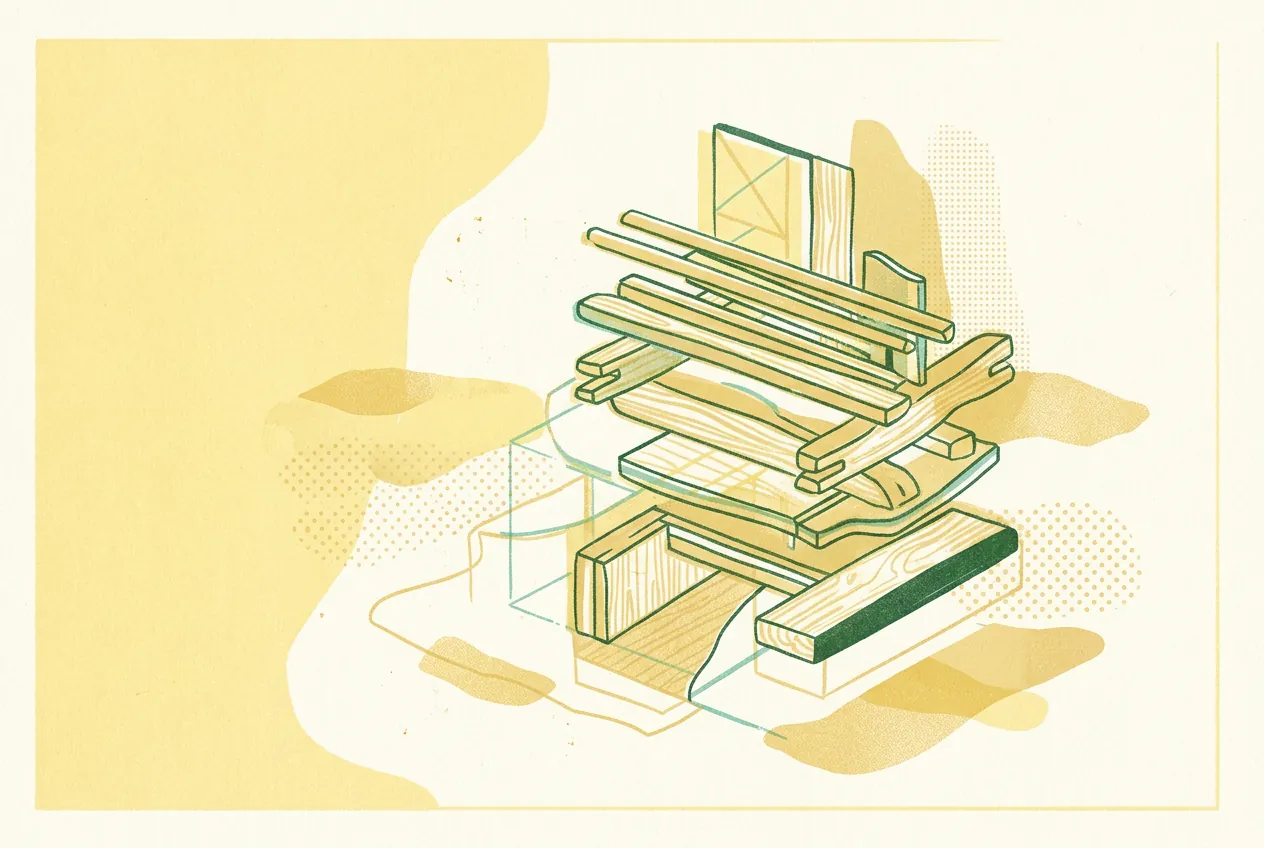
Digital Folio for a Timber Pavilion Studio
An exploration exploring wide horizontal viewports to present joinery details alongside site topography, pairing warm sans typography with linen-toned backgrounds.
Focus: Horizontal panning drawings, material zoom interactions, and structural essay layouts.
02
ConceptInterior Architecture
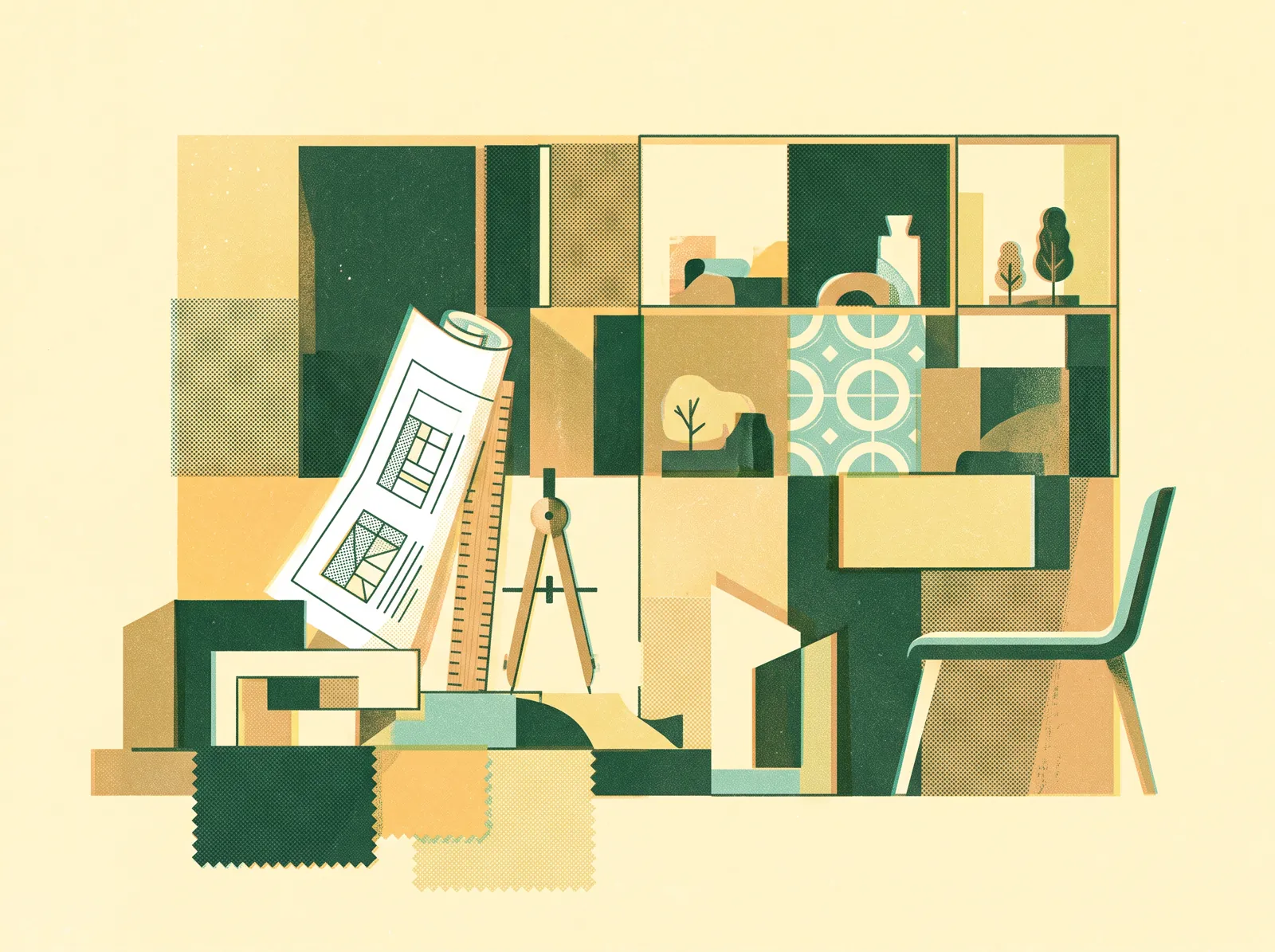
Material Index for a Residential Atelier
A catalogued portfolio structure balancing tactile finish swatches, millwork blueprints, and room vignettes under an unyielding editorial grid.
Focus: Split-pane drawing comparisons, bespoke stone catalogs, and publication press archive.
03
ConceptPractice Archive
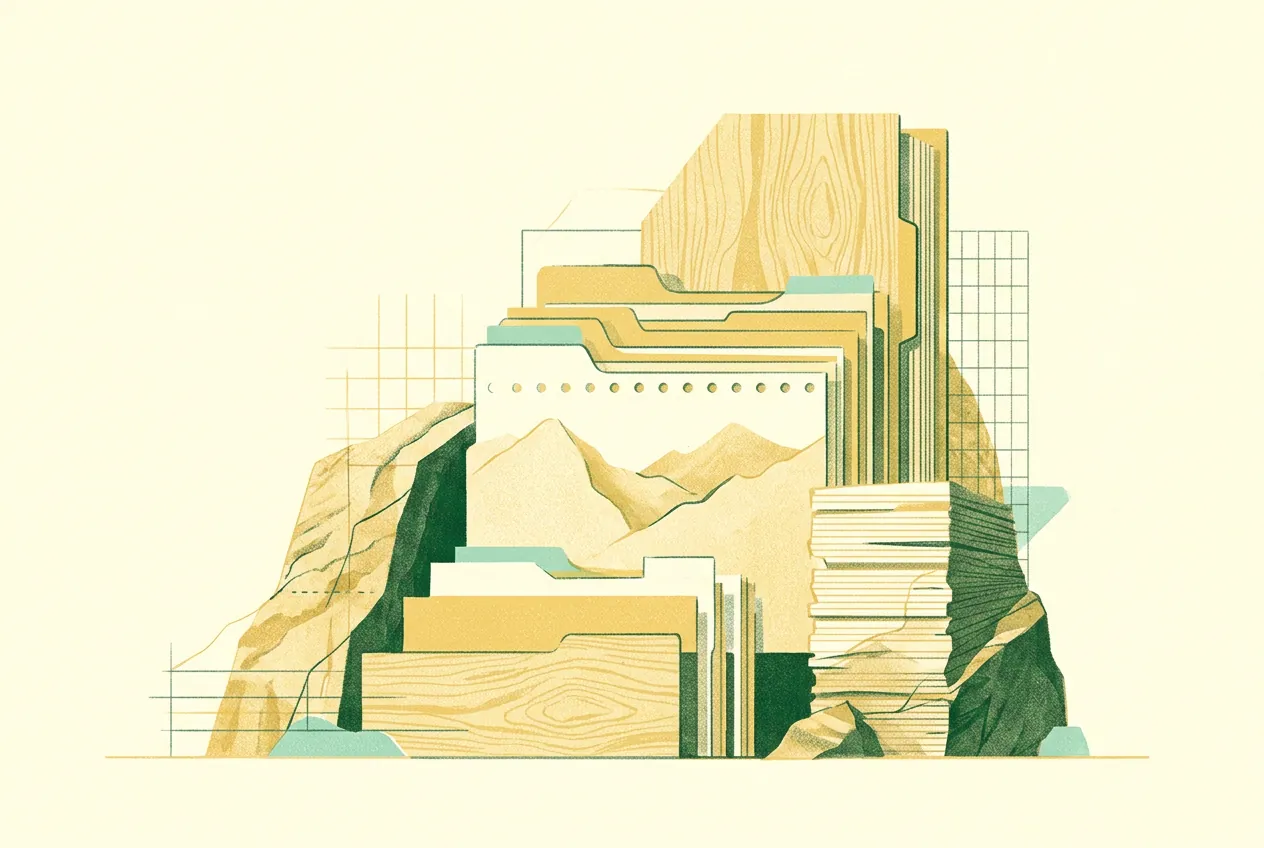
Archive System for an Alpine Practice
A deep chronological index grouping built alpine chalets, unbuilt municipal proposals, and seasonal photography using strict typographic hierarchy.
Focus: Typological cross-filtering, elevation sheet overlays, and archival PDF export stylesheets.
Studio
We build digital monographs that honor spatial disciplines.
Wonder Notes House was formed around a simple realization: while spatial designers spend years perfecting joinery, concrete forms, and light studies, their digital presence is often left to generic web builders. Named after the wonder notes we record across site visits, floor plans, and material boards, we build websites using the same rigorous logic architects apply to elevations. We operate without junior intermediaries, collaborating directly with studio principals on typographic hierarchy, image calibration, and durable code.
Wonder Notes House
Studio Direction: Independent and partner-led
Focus: Architecture and interiors
Technology: Modern static code and lean CMS
Method: Direct principal collaboration
Capabilities
Services, start to finish
01
Architectural Monograph Site
A comprehensive digital folio tailored to the cadence, scales, and photography of built work.
Private, password-guarded presentation spaces for competition entries and client design reviews.
Restricted access management
Integrated drawing viewer controls
Print-ready stylesheet styling
Approach
What guides the work
Structure Before Ornament
Every site begins with grid logic, proportion, and deliberate white space. Visual delight comes from honest alignments, not gratuitous movement.
Photographic Fidelity
Architectural photography demands natural contrast and correct aspect ratios. We never crop medium-format imagery or force drawings into arbitrary boxes.
Editorial Cadence
A portfolio should read like an independent journal. We alternate between wide site overviews, detailed drawings, and descriptive text.
Permanent Speed
High-resolution architectural assets must load quickly. We write clean markup, serve modern image compressions, and avoid unnecessary external libraries.
Journal
Notes from the studio
Entry 013 min read
On displaying architectural drawings on mobile screens
Vector plans often dissolve into illegible wireframes when shrunk to pocket viewports. We prioritize section pans, deep pinch-zoom viewports, and high-contrast lines over compressed bitmap exports.
Entry 024 min read
Why the white cube website fails interior practices
A plain white background flattens plaster textures and oak cabinetry into stark silhouettes. Warmer base palettes and measured margins preserve the tactile atmosphere intended by the designer.
Entry 035 min read
Cataloguing the unbuilt alongside the completed
Unrealized competition entries reveal as much about a studio philosophy as finished concrete. Treating drawings and physical models with identical editorial dignity enriches the practice archive.
Process
From first message to launch
01
Archive Audit
We review your photography, working plans, and project narratives, establishing a clear hierarchy across your body of work.
02
Typographic Foundation
We set the architectural grid, balance proportion systems, and select editorial typefaces that match your studio identity.
03
Editorial Assembly
We lay out project case studies, integrating site descriptions, credits, technical drawings, and materiality notes.
04
Code and Handover
We build lean templates on a dependable publishing engine, fine-tune responsiveness across displays, and document upkeep procedures.
Packages
Pick a starting point
Starting prices in USD. Your quote is written for your scope before any work begins.
Practice Folio
A focused monograph site for established studios wanting a pristine, unhurried index of primary built commissions.
How does your studio handle architectural plans and technical drawings?
We format drawings specifically for digital displays, preserving line weights, scales, and annotations. We offer interactive viewer viewports, side-by-side section comparisons, and print-ready vector styles so drawings remain legible on desktop displays and mobile phones alike.
Can our team update project imagery and text without technical help?
Yes. We configure lean, dependable content management systems tailored to your specific project fields. We set strict guardrails so new project uploads maintain correct typographic rhythm, column alignments, and image scales automatically without breaking the layout.
What photography formats and resolutions should we prepare for the audit?
We request original high-resolution TIFF or JPEG files directly from your architectural photographers, along with CAD or vector PDF drawings. We run all media through a dedicated asset compression pipeline to deliver crisp visual clarity at low file weights.
How do you approach revisions during the editorial assembly phase?
We review work in structured milestones. Following the initial typographic and grid foundation, we build prototype templates with your actual imagery. We carry out two dedicated revision rounds on real browser viewports, refining pacing, layout scales, and project hierarchies.
Where will our website be hosted, and who owns the code?
You retain full ownership of the code, domain, and assets. We deploy sites onto fast, dependable cloud hosting networks that require no complex database upkeep. We provide clear documentation and configure your hosting under your practice account before launch.
What determines whether a project falls under Practice Folio or Complete Monograph?
Scope is driven by the depth of your archive and technical requirements. Smaller portfolios with focused project selections fit the Practice Folio. Practices needing typological sorting, unbuilt archives, drawing viewers, and material indexes require the Complete Monograph.
Let us prepare an archival home for your practice.
Send an overview of your studio, your current website, and upcoming built completions by email. We will review your body of work and propose an appropriate framework.
We work directly with principals and studio directors. Share your project portfolio, drawing archives, and timeline details by email message to begin our initial review.
What happens next
Fill in the form. Nothing is stored or sent by this page.
Press the button and your email app opens with a message prepared from your answers.
Check it, add anything else, and send it from your own inbox.